As a woman leader, you’ve probably faced slip ups, challenges, or bad decision-making. It’s a normal part of business life. You’re not alone!
Many women leaders, including us, have experienced the same challenges, felt the strong emotions, and have felt a sense of unworthiness, self-blame, or negativity that you JUST CAN’T BEAT.
When I started my own business as a coach and trainer, I often compared myself to others feeling I wasn’t ‘as good as them.’ Through my own professional development and growth mindset, I realized that what I offer is unique and effective for the clients I support.
When my colleague, Anita Torres, started her business, her clients branded her Anita, the Passionista. It took her years to have the confidence and courage to go out in public for fear of ridicule or feeling like a fraud. In her head that meant she could only ‘BE’ the Passionista if she was jolly, happy, and free of negativity.
If you think you’re the only person struggling with impostor syndrome – you’re not alone. Research found that 70% of all people have experienced impostor syndrome at some point in their lives.
The good news is there are ways to navigate these feelings and enjoy success.
If you’re tired of ‘feeling like a fake’ at work, join us for our Introductory Power UP Your Leadership Presence: How to Beat Impostor Syndrome program where we explore strategies to break free from the grip of imposter syndrome.
If you want to kick your impostor syndrome to the curb, join my colleague, Anita, Passionista, Torres, PCC, CPTD and I September 28th for our Introductory program. Take advantage of the Early Bird rate.
Have you ever felt like a fraud, despite your achievements and credentials? Do you worry that you’ll be exposed as a phony, or that you’re not as competent as people believe you to be? If so, you may be experiencing impostor syndrome.
This psychological phenomenon affects millions of people worldwide, from high-achieving students to successful professionals. It’s characterized by feelings of self-doubt, inadequacy, and fear of failure, despite objective evidence to the contrary.
Impostor syndrome can hold you back from reaching your full potential, sabotaging your confidence and progress. But it’s not a permanent condition. With the right mindset and strategies, you can learn to overcome impostor syndrome and thrive in your personal and professional life.
What is Impostor Syndrome?
Impostor syndrome is a psychological condition in which a person doubts their accomplishments and feels like a fraud, despite evidence to the contrary. People with impostor syndrome often attribute their successes to luck or external factors and believe that they are not as competent as others believe them to be.
This often results in feelings of anxiety, self-doubt, and fear of being exposed as a fraud. Impostor syndrome is not a clinical disorder, but rather a common experience that affects people from all walks of life.
It can manifest in various ways, from feeling like a fraud in a particular area of expertise to doubting your overall abilities and worth. While it is more prevalent among high-achieving individuals, impostor syndrome can affect anyone, regardless of their achievements or status.
The Psychology Behind Impostor Syndrome
Impostor syndrome is rooted in a person’s self-perception and self-esteem. People with impostor syndrome often have a distorted view of their abilities and accomplishments and tend to compare themselves unfavorably to others. They may have a fear of failure or a need for perfectionism, which drives them to set unrealistic standards for themselves.
The roots of impostor syndrome can be traced back to childhood and upbringing, where a person’s sense of self-worth and validation is shaped. Family dynamics, societal pressures, and cultural expectations can all contribute to the development of impostor syndrome.
Signs and Symptoms of Impostor Syndrome
Impostor syndrome can manifest in various ways, both in thoughts and behaviors. Some common signs and symptoms of impostor syndrome include:
Persistent self-doubt and fear of failure
Believing that your accomplishments are due to luck or external factors
Feeling like a fraud, despite objective evidence to the contrary
Comparing yourself unfavorably to others
Setting unrealistic standards for yourself
Procrastination or avoidance of challenges
Downplaying your achievements or avoiding recognition
These symptoms can be mild or severe and may vary depending on the individual and the situation. However, if left unchecked, impostor syndrome can harm your mental health, career, and overall well-being.
The Psychological Impact of Impostor Syndrome
Impostor syndrome can have a profound impact on your mental health and well-being. It can lead to feelings of anxiety, depression, and low self-esteem, and can interfere with your ability to function and thrive.
The psychological impact of impostor syndrome can manifest in various ways, such as:
Negative self-talk: Constantly criticizing yourself and doubting your abilities can create a negative self-image and perpetuate feelings of inadequacy.
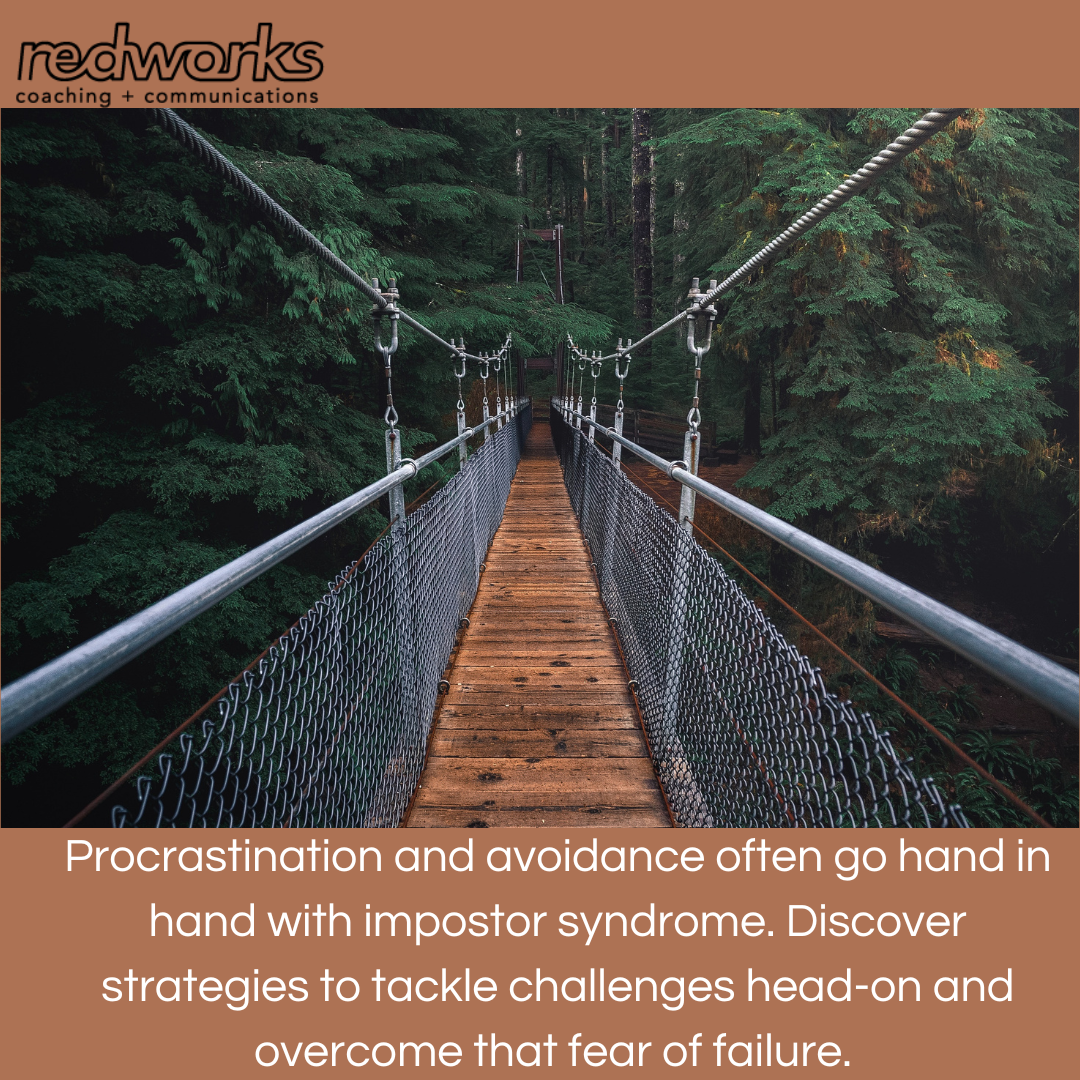
Procrastination and avoidance: Fear of failure or being exposed as a fraud can lead to procrastination and avoidance of challenges, which can further reinforce impostor syndrome.
Burnout and stress: Constantly striving for perfection and feeling like a fraud can lead to burnout and chronic stress, which can have physical and mental health consequences.
The impact of impostor syndrome can be particularly challenging for people in high-stress or demanding professions, such as healthcare, law, or academia. However, with the right mindset and strategies, it is possible to overcome impostor syndrome and achieve success and fulfillment.
Registration is now open for our Power UP Your Leadership Presence: How to Beat Impostor Syndrome program. The Introductory Session takes place September 28 and the Advanced Program October 12. Take advantage of the Early Bird prices.